
YouDance.com
← All posts
Dance Genres

Are You a Contemporary Dance Expert? Find Out with Our Quiz!

By Courtney, YouDance founder · January 15, 2020

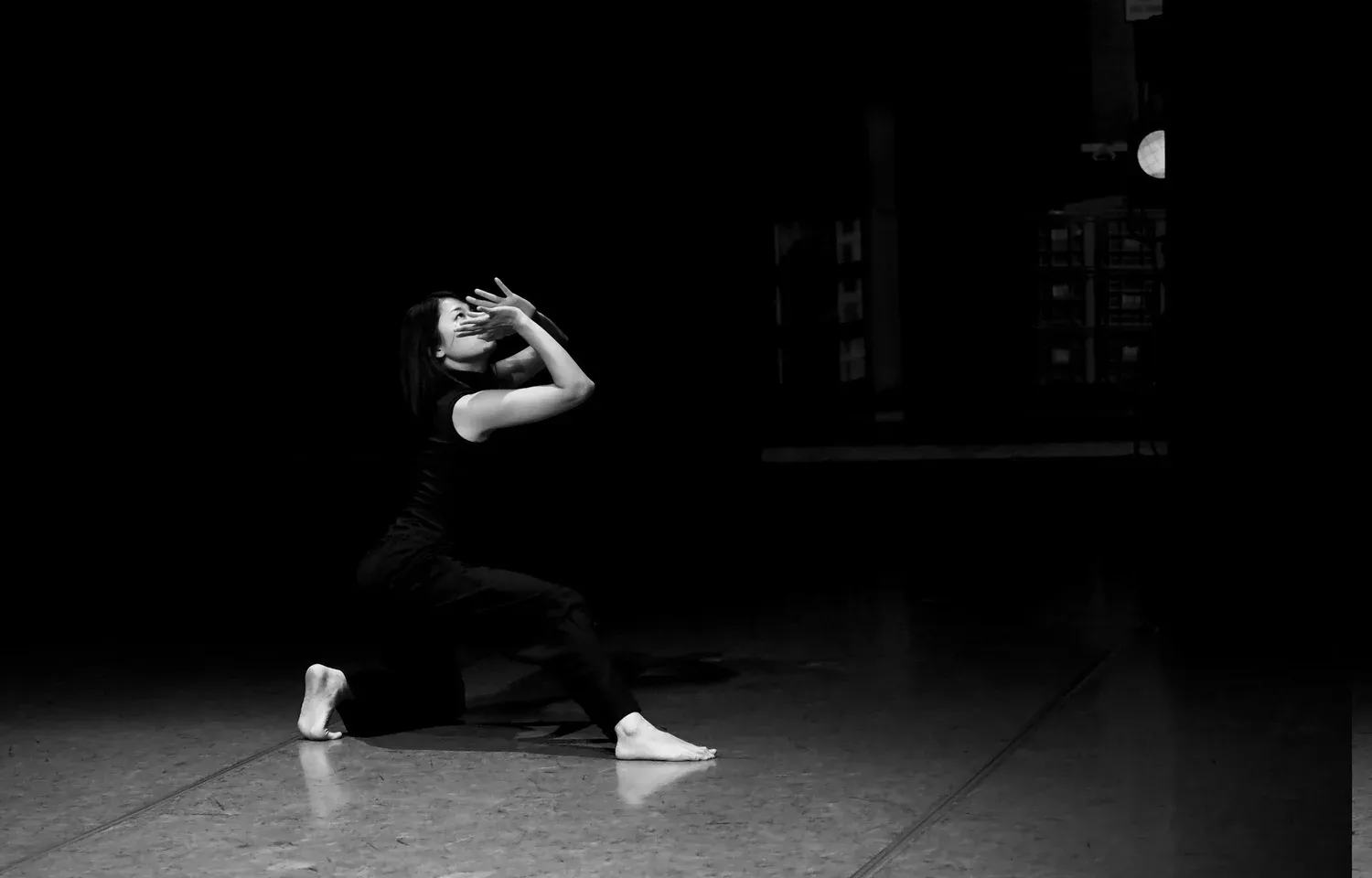
Dancer in an expressive contemporary dance pose for a contemporary quiz

Hey there! Ready to put your contemporary dance knowledge to the test? No pen and paper needed this time — answer right in the page and get instant feedback on every question. Let’s dive in!

What this contemporary quiz covers

Five questions on what makes contemporary dance contemporary: its focus on emotional expression and storytelling, how dancers use weight shifts and gravity, the role of improvisation in choreography, the styles it borrows from, and the term for those seamless transitions between movements. Each answer comes with a short explanation, so you learn something whether you’re right or wrong.

How homeschool families use quizzes like this

Contemporary is a wonderful style for older kids and teens — expressive, athletic, and a natural fit for fine arts credit. Every YouDance lesson ends with a short graded quiz like this one, with scores logged for each student’s homeschool records. Take it below and find out if you’re a contemporary dance expert!

Contemporary quiz · 5 questions

Question 1 of 5

What is the primary focus of contemporary dance?
Prefer to read? Open the full answer key
  1. What is the primary focus of contemporary dance?

    Answer: Emotional expression and storytelling.

    Contemporary dance is all about conveying emotion and telling stories through movement — dancers explore love, loss, joy, and struggle using their bodies as a means of expression.

  2. What is one of the key principles of contemporary dance technique?

    Answer: Weight shifts and use of gravity.

    Contemporary technique explores weight shifts and gravity to create dynamic, fluid movement — playing with levels, momentum, and the body's natural resistance to gravity.

  3. What is a common feature of contemporary dance choreography?

    Answer: Improvisation and fluid movements.

    Unlike more traditional styles, contemporary choreography prioritizes improvisation and fluidity — dancers explore movement in a spontaneous, organic way for greater personal expression.

  4. True or False: Contemporary dance often incorporates elements of other dance styles such as ballet and jazz.

    Answer: True.

    True! Contemporary is known for its versatility — dancers blend techniques from ballet, jazz, modern, and even hip hop to create dynamic, expressive choreography.

  5. What term is used to describe the seamless transition between movements in contemporary dance?

    Answer: Flow.

    "Flow" is the smooth, uninterrupted transition between movements — dancers strive for a sense of fluidity and continuity that makes a performance look seamless.