
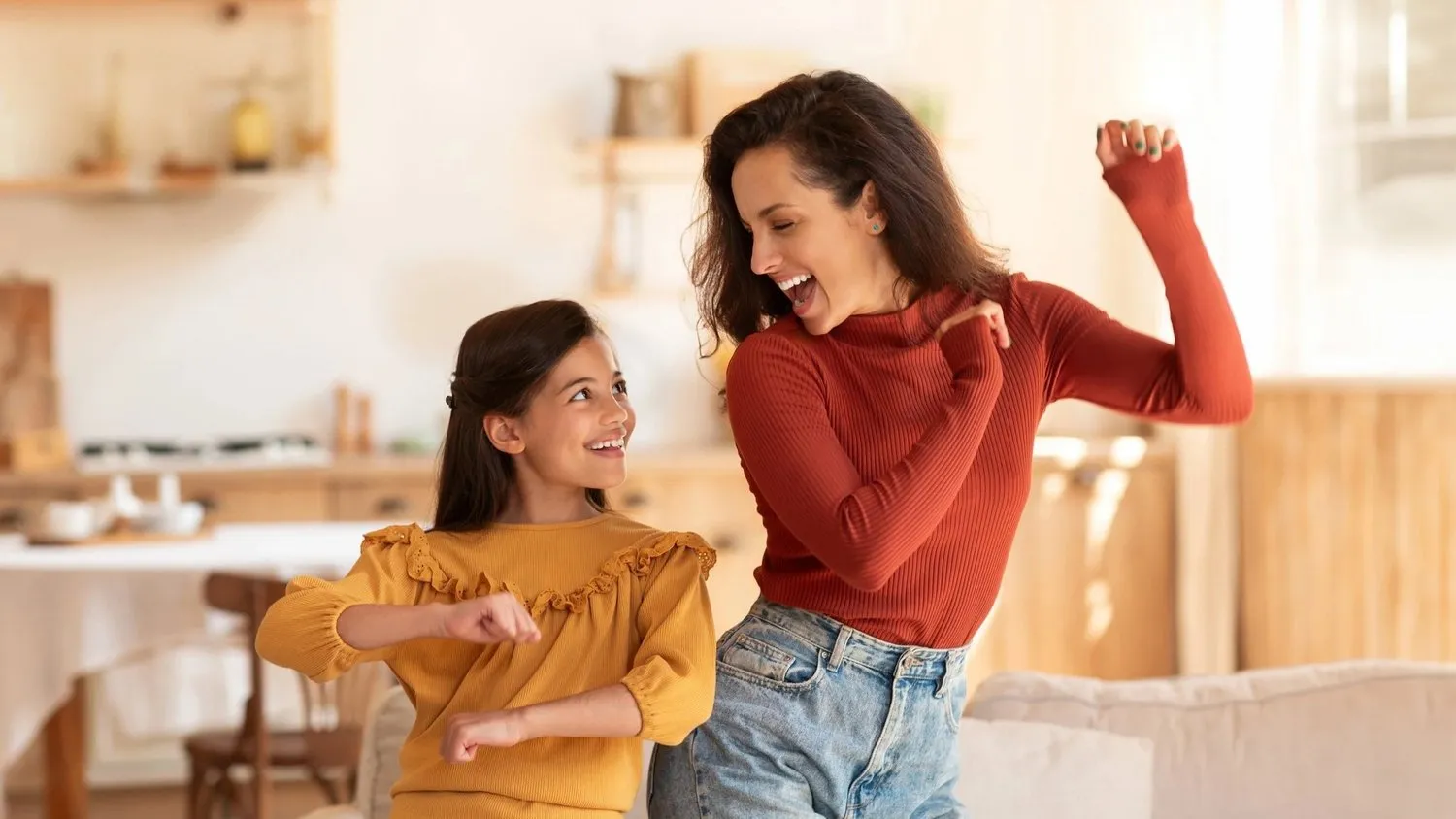
Finding quality extracurriculars as a homeschool parent is no small feat — and dance is one of those activities that can feel especially tricky to navigate. Between studio schedules built around traditional school hours and programs that assume a certain performance-track commitment, it is easy to feel like dance just does not fit your family’s lifestyle. It does not have to be that way. This guide breaks down everything you need to know about dance classes for homeschoolers: the types of programs available, what to look for, how dance counts as PE credit, and practical tips for getting started.
Why Dance Is a Great Fit for Homeschoolers
Dance and homeschooling have more in common than you might think. Both thrive with flexibility, individuality, and a learner-centered approach. The benefits go well beyond just getting kids moving.
Physical Benefits
Dance builds real, functional fitness. Regular dance practice develops cardiovascular endurance, muscle strength, flexibility, and balance — all without a gym or equipment. For kids who spend part of their day at a desk or table, dance provides the kind of full-body movement their growing bodies need.
Motor development is another big win, especially for younger children. Learning choreography, controlling movement, and coordinating to music all reinforce fine and gross motor skills in ways that carry over into other areas of life.
Academic Benefits
The mind-body connection in dance has measurable effects on learning. Research published in the Journal of School Health found that physically active children perform better in both math and reading. Dance, specifically, requires kids to memorize sequences, count rhythms, and follow multi-step instructions — all of which strengthen working memory and attention.
For homeschoolers who are already intentional about integrating subjects, dance pairs naturally with music theory, history (think folk dances or the cultural origins of ballet), and even math through rhythm and pattern recognition.
Social-Emotional Benefits
Homeschooled children often have rich social lives, but structured group activities — where kids learn to take turns, support each other, and work toward a shared goal — add something unique. Dance builds self-confidence and self-expression in a way few other activities can match. Learning a new skill, mastering a challenging combination, and performing for others (even just for family) teaches resilience and healthy pride in hard work.
Dance also encourages discipline. Following a structured lesson, practicing technique, and working through frustration when something does not click right away are all lessons that extend far beyond the dance floor.
Dance Counts as PE Credit
In most states, dance qualifies as physical education credit for homeschoolers. If you are tracking hours or using a portfolio-based approach to documentation, a structured dance program with regular lessons and measurable progress makes it easy to log and justify. More on that in the PE credit section below.
Types of Dance Classes Available for Homeschoolers
One of the best things about being a homeschool family is that you are not locked into one way of doing things. The same is true for dance education. Here are the main formats and what each offers.
In-Person Studio Classes
Many local dance studios now offer daytime homeschool programs specifically designed around a homeschool schedule. These classes typically meet once or twice a week during morning or early afternoon hours, and they often attract a mix of ages.
Pros: Live instruction, immediate feedback, social interaction with peers, performance opportunities.
Cons: Fixed schedule, transportation required, can be expensive ($50–$150/month per child per style), may not offer flexible make-up options.
Online On-Demand Classes
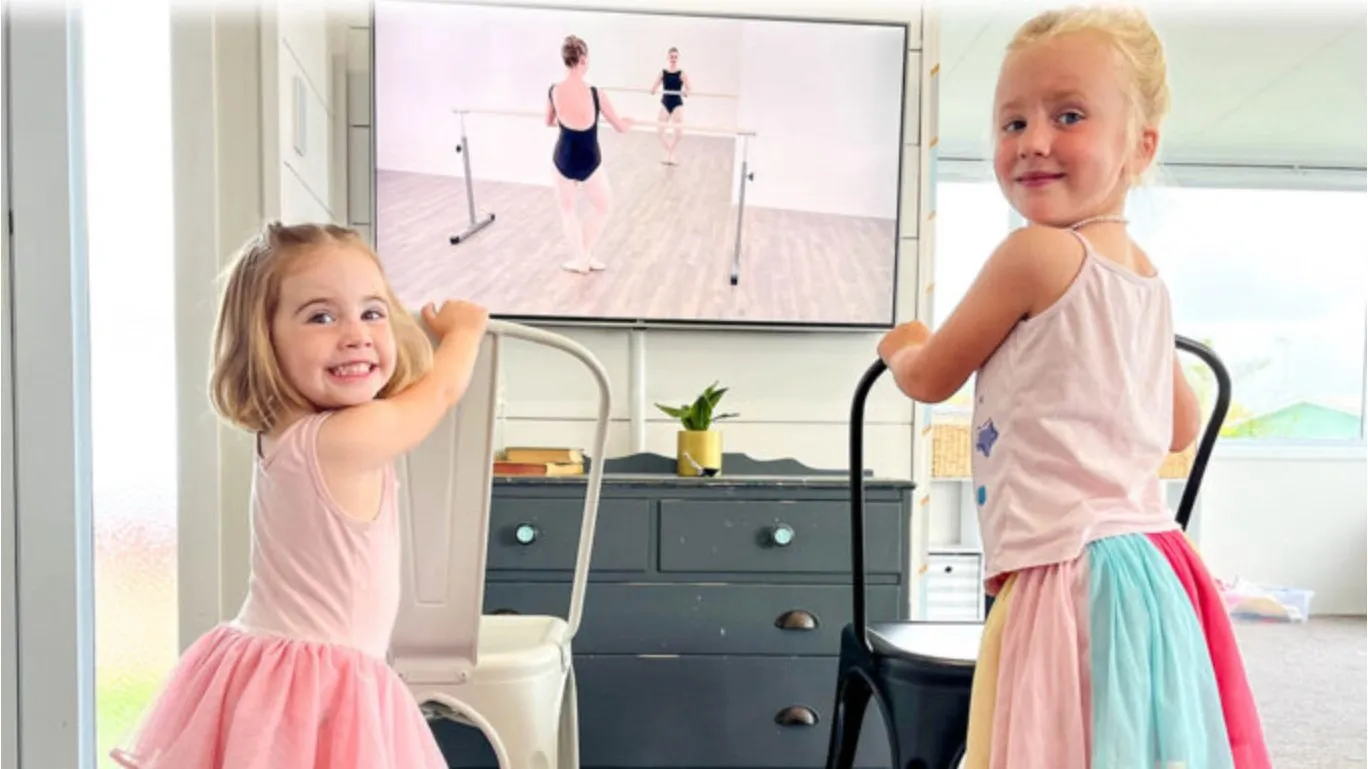
On-demand platforms let your child learn at whatever time works for your family — morning, afternoon, or evening — and move through lessons at their own pace. Some platforms, like YouDance, offer structured, curriculum-based programs designed specifically for homeschoolers, with multiple dance styles, quizzes, and progress tracking all in one place.
Pros: Totally flexible scheduling, no commute, often more affordable (especially if you have multiple children), can pause and rewind as needed.
Cons: No live instructor feedback, requires self-motivation, limited real-time social interaction.
Live Virtual Classes
Some instructors and studios offer scheduled Zoom-based classes where students attend at a specific time and interact with an instructor in real time.
Pros: Live feedback, some social interaction, structured schedule can help with accountability.
Cons: Still schedule-dependent, tech requirements, limited class variety depending on provider.
Community and Co-op Group Classes
Many homeschool co-ops include dance as part of their enrichment offerings. A parent with dance experience might lead classes, or a local instructor might be brought in to teach a weekly session.
Pros: Community-centered, often low-cost, socially rich environment.
Cons: Quality varies widely, limited style options, dependent on available volunteers or instructors.
What to Look for in a Homeschool Dance Program
Not all dance programs are created equal, and what works for a competitive dancer at a pre-professional studio is very different from what works for a homeschool family looking for joyful, structured movement. Here is what matters most.
Age-appropriate content and dress expectations. Many homeschool families prioritize modesty and wholesome content. Look for programs that align with your family’s values — including what students wear during classes and the overall tone of the instruction.
Structured curriculum, not just drop-in classes. A program with a clear progression — where your child builds skills lesson by lesson — is far more valuable than a series of disconnected drop-in sessions. Structured programs also make documentation easier if you are tracking dance for PE or portfolio purposes.
Multiple dance styles available. Children’s interests change, and many kids thrive when they can explore different styles before committing to one. A program that offers ballet, hip hop, jazz, contemporary, and other styles under one roof (or one subscription) gives your child room to grow.
Scheduling that fits your homeschool routine. Whether that means a class offered during school hours, a fully on-demand program, or something in between, make sure the format realistically fits how your family operates — not the other way around.
Cost. In-person studio classes for a single child in a single style can run $50–$150/month. If you have multiple children or want them to explore several styles, costs add up quickly. Online programs that offer all styles for one flat monthly or annual fee can be significantly more affordable for families.
Safe, distraction-free learning environment. If you are using an online platform, check whether it is ad-free, age-appropriate, and designed for independent learning. This matters both for safety and for keeping your child focused during lessons.
Popular Dance Styles for Homeschool Students
Part of what makes dance such a good fit for homeschoolers is how many styles exist. There is something for every personality, body type, and energy level. Here is a quick look at the most popular options:
Ballet lays the technical foundation for almost every other dance style. It develops posture, alignment, strength, and grace. Even children who never pursue ballet seriously benefit from its foundational training.
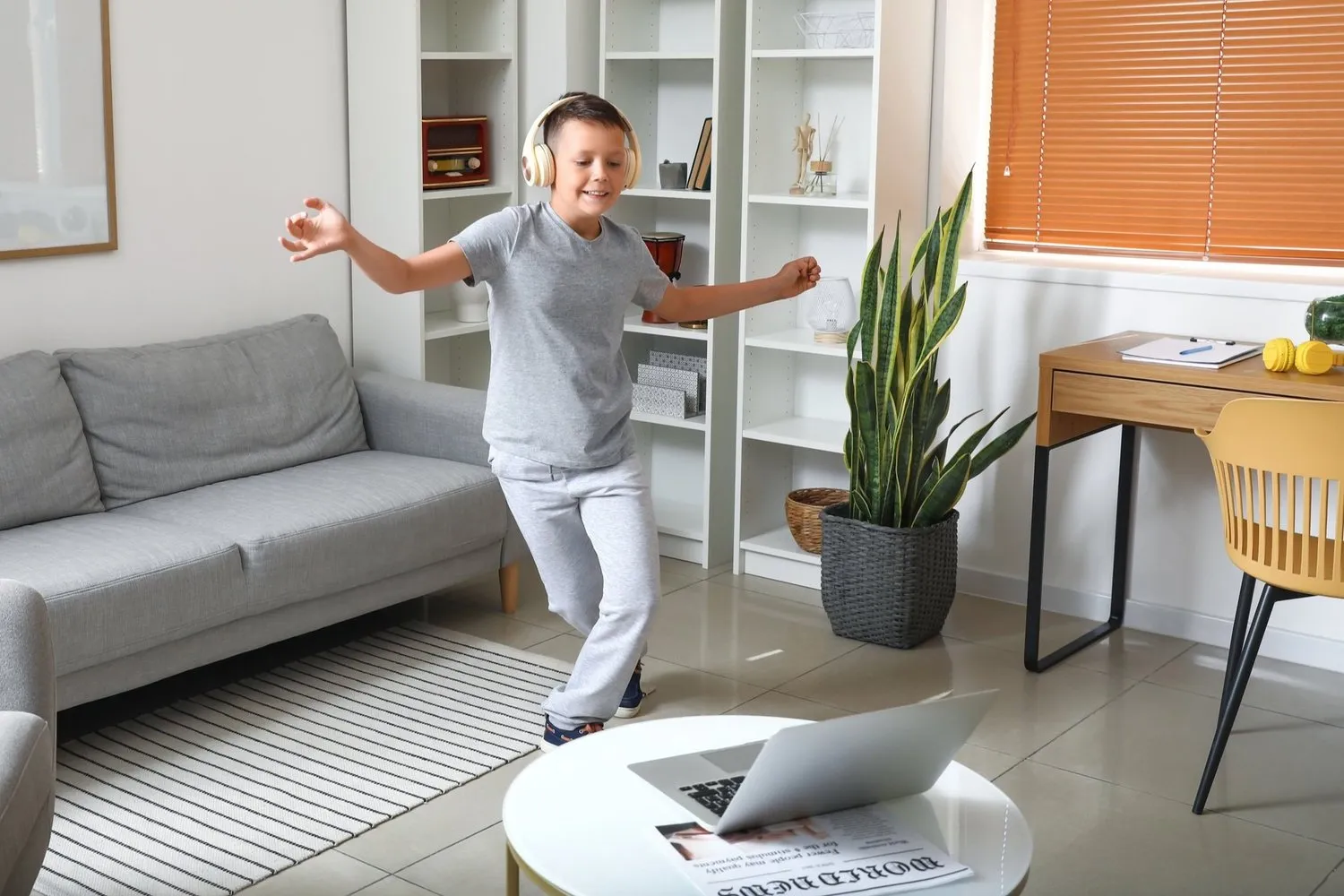
Hip Hop is high-energy, fun, and accessible — and it is a great entry point for boys who might be hesitant about “dance class.” It builds confidence, rhythm, and body awareness while keeping kids genuinely excited to show up.
Jazz develops musicality, sharp movement quality, and performance skills. It is expressive and energetic, and it translates well to musical theater if your child has that interest.
Contemporary is the style for kids who love creative movement and emotional storytelling. It is less bound by strict technique rules than ballet, which makes it appealing for children who want to express themselves freely.
Clogging and Tap are rhythm-based styles that are especially practical for small spaces. The focus is on footwork, timing, and coordination — and the percussive sound element makes it uniquely satisfying to practice.
Many families let their children try a few styles before settling on a favorite. That exploration is part of the fun — and part of what a good homeschool dance curriculum should support.
How Dance Counts as Homeschool PE
If you are wondering whether dance can fulfill your state’s physical education requirements, the answer is almost certainly yes. Most states accept dance as a valid PE activity for homeschoolers, particularly when the program is structured and documented.
Here is how to approach it:
-
Log your hours. Keep a simple record of how many minutes your child dances each week. Most states require somewhere between 60–150 hours of PE per year. Twenty minutes of daily dance adds up to roughly 120 hours over a school year — comfortably within range.
-
Document the curriculum. Programs that include lesson plans, quizzes, and skill progression give you ready-made documentation. If you are ever asked to demonstrate what your child learned, a structured program provides clear evidence.
-
Describe the physical activity. When logging, note the type of movement (cardiovascular, strength, flexibility, coordination) rather than just writing “dance.” This helps if you need to justify the PE classification.
-
Check your state’s specific requirements. A few states have specific rules about what qualifies, so it is worth a quick review of your state’s homeschool PE guidelines.
For a deeper look at how online dance programs satisfy PE requirements, read The Best Homeschool PE Option: Online PE for Homeschoolers on the YouDance blog — it covers state-by-state considerations and documentation strategies in detail.
Getting Started: Tips for Adding Dance to Your Homeschool
Adding a new subject or activity to your homeschool routine does not have to be overwhelming. Dance is one of the easiest things to integrate because it requires so little setup and delivers results quickly.
Start low-risk. Before committing to any program — in-person or online — look for a way to try it without locking yourself in, like a sample class or a money-back guarantee. This helps your child get a feel for the style and the instruction before you invest time or money.
Let your child choose a style that excites them. Buy-in matters enormously. A child who gets to pick hip hop over ballet (or vice versa) will practice with more enthusiasm and stick with it longer. If they are unsure, let them try two or three styles before choosing.
Schedule regular dance time. Consistency beats intensity. Twenty minutes of focused dance practice most days of the week is more effective — and more sustainable — than a long session once a week. Build it into your daily schedule the same way you would any core subject.
Make it a family activity. One of the joys of homeschooling is doing things together. Dance lends itself beautifully to whole-family participation. Parents and siblings who join in (even imperfectly) reinforce that learning is for everyone and that moving your body is worth celebrating.
Track progress and celebrate milestones. Whether that means logging completed lessons, learning a full routine, or earning a certificate, marking progress keeps motivation high. Many structured programs — including YouDance, which offers 215+ weeks of curriculum across five genres — build this tracking into the platform so you do not have to manage it yourself.
Conclusion
Dance is one of the most rewarding activities you can add to your homeschool. It builds physical fitness, sharpens focus and memory, develops confidence, and — in most states — satisfies your PE requirements. Whether you choose an in-person studio program, a live virtual class, a local co-op, or an on-demand platform, the most important thing is finding a format that fits your family’s schedule and your child’s interests.
If you are looking for a flexible, wholesome option, YouDance.com offers on-demand dance classes in five genres for the whole family — and you can try a free sample class to see if it is a good fit.
Collapse